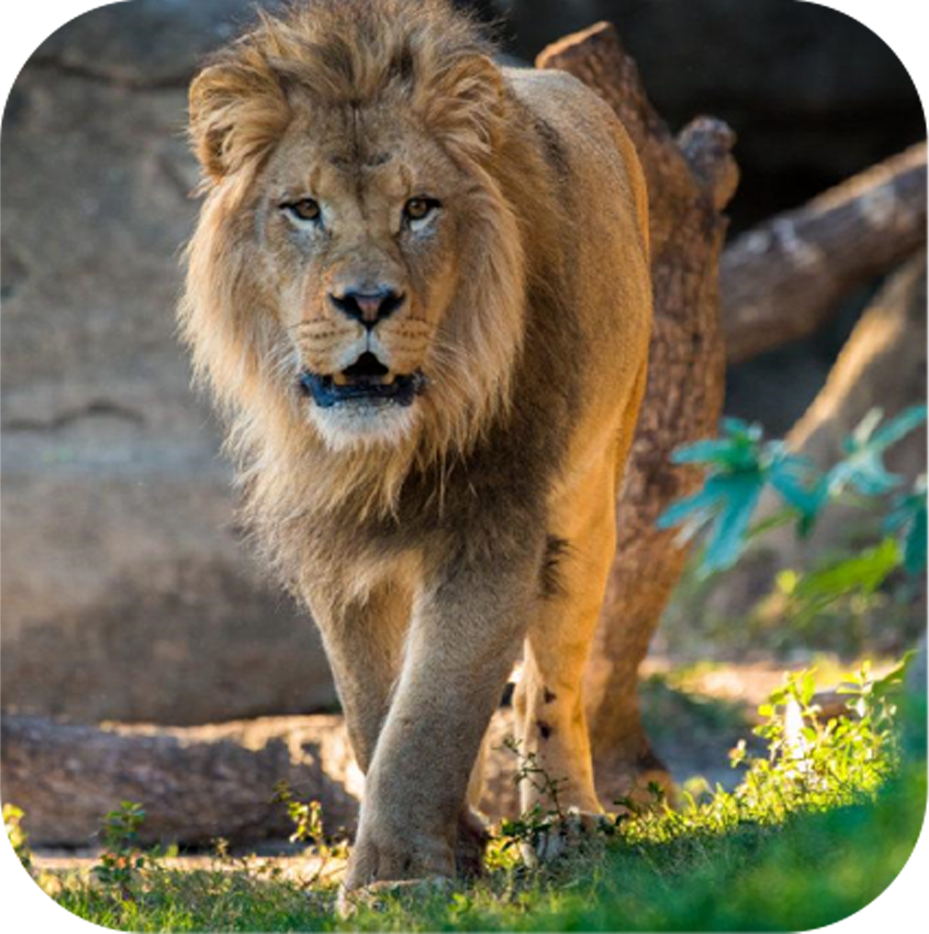
Lions are large, powerful carnivores known as the “king of the jungle.”
They are social animals that live in groups called pride, typically consisting of several related females, their offspring, and a few males.
Lions are known for their majestic mane and loud roar, which can be heard up to 5 miles away.
Height
3.9 feet (1.2 meters) at the shoulder
Weight
330 to 550 pounds (150 to 250 kg)
Region of Habitat
Sub-Saharan Africa, India
Scientific Name
Panthera leo
Feeding Habits
Carnivorous
What Sound They Make
Roar, growl
fun facts:
• Lions are the only cats that live in groups called prides.
• A lion’s roar can be heard from up to 5 miles away.
• Lions rest for around 20 hours a day.
Elephants:
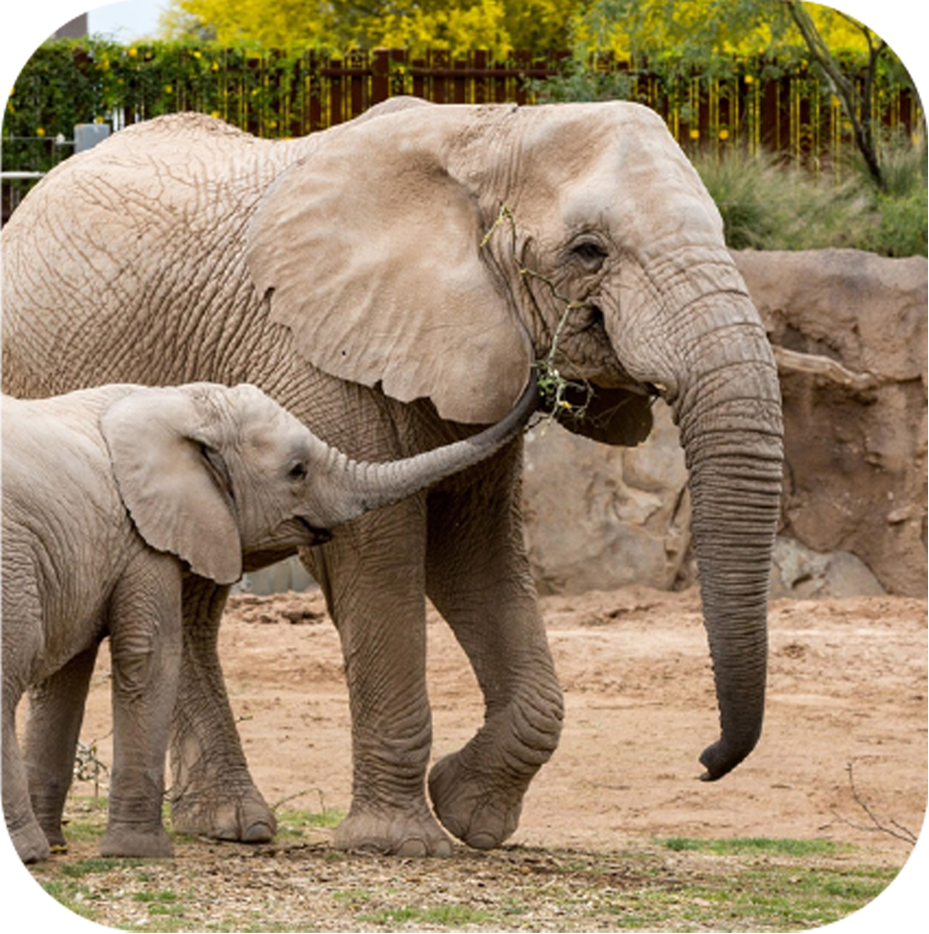
They have the largest brains of any land animal and can communicate using low-frequency sounds that travel long distances.
Elephants are the largest land animals on Earth, known for their intelligence, strong social bonds, and distinctive trunks, which they use for various tasks such as feeding, drinking, and communication. Elephants live in matriarchal family groups and are found in Africa and Asia
Height
8.2 to 13 feet (2.5 to 4 meters)
at the shoulder
Weight
5,000 to 14,000 pounds (2,268 to 6,350 kg)
Region of Habitat
Africa Asia
Scientific Name
Loxodonta africana (African), Elephas maximus (Asian)
Feeding Habits
Herbivorous
What Sound They Make
Trumpet, rumble
fun facts:
• Lions are the only cats that live in groups called prides.
• A lion’s roar can be heard from up to 5 miles away.
• Lions rest for around 20 hours a day.
Zebras:
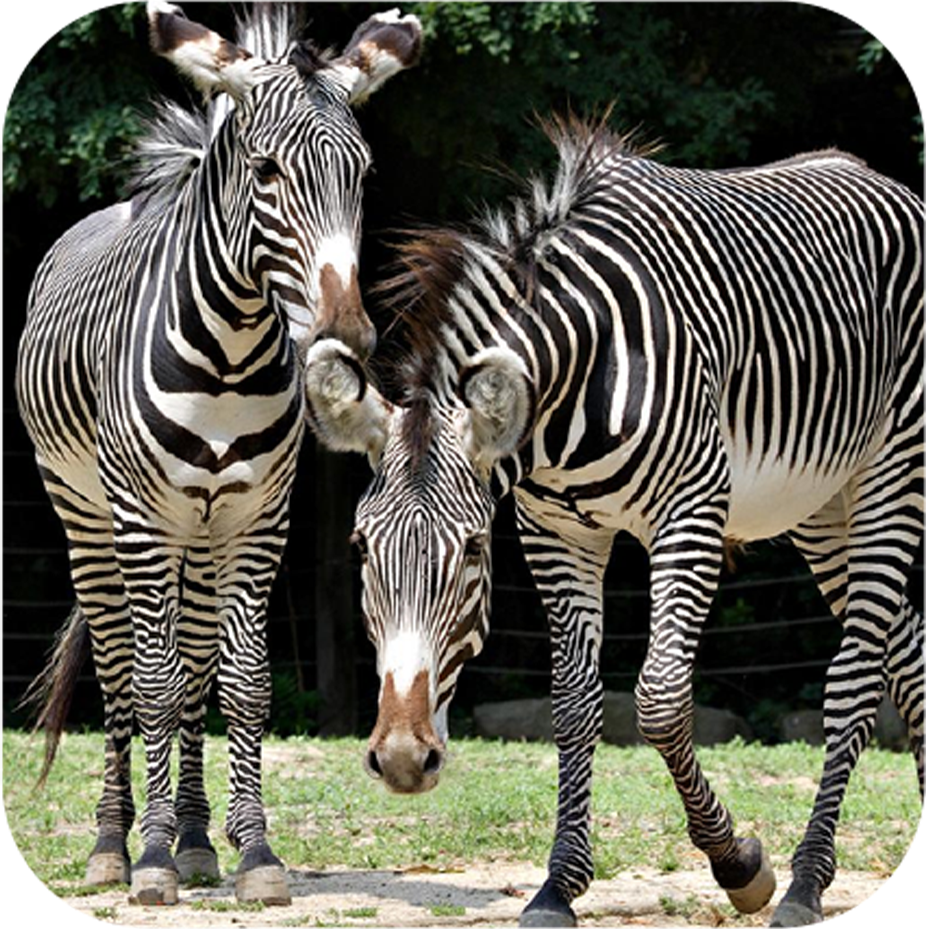
Each zebra’s stripe pattern is unique, just like fingerprints.
Zebras are social animals known for their black-and-white striped coats, which help them blend into the grasslands and confuse predators.
They live in herds and are primarily found in Africa’s savannas and grasslands.
Height
8.2 to 13 feet (2.5 to 4 meters)
at the shoulder
Weight
1,750 to 2,800 pounds (794 to 1,270 kg)
Region of Habitat
Sub-Saharan Africa
Scientific Name
Giraffa camelopardalis
Feeding Habits
Herbivorous
What Sound They Make
bleay hum,
fun facts:
• Giraffes have the same number of neck vertebrae as humans—seven.. • They can run up to 35 miles per hour (56 km/h) over short distances.. • A giraffe’s heart can weigh up to 25 pounds (11 kg).
Giraffes:
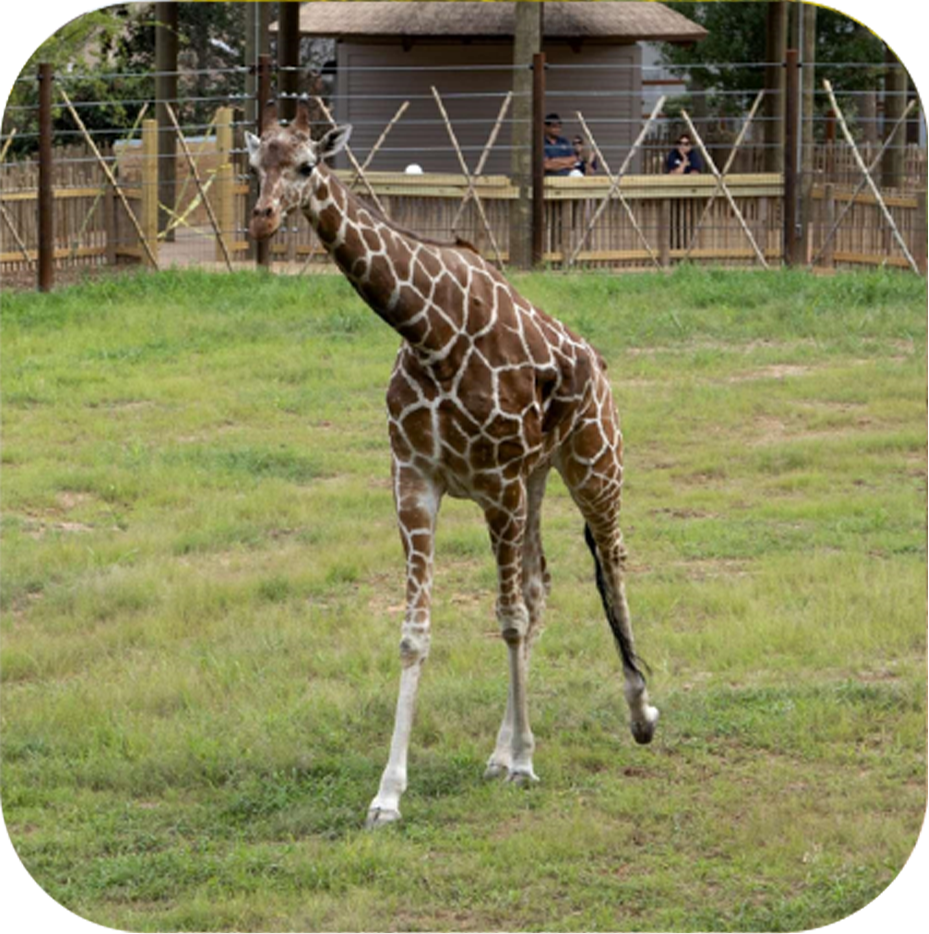
Even with their long necks, giraffes have the same number of neck bones as humans, seven.
Giraffes are the tallest land animals, distinguished by their long necks, legs, and distinctive coat patterns.
They use their height to browse on leaves and buds high in trees, primarily in savannas and open woodlands of Africa.
Height
8.2 to 13 feet (2.5 to 4 meters)
at the shoulder
Weight
1,750 to 2,800 pounds (794 to 1,270 kg)
Region of Habitat
Sub-Saharan Africa
Scientific Name
Giraffa camelopardalis
Feeding Habits
Herbivorous
What Sound They Make
bleay hum,
fun facts:
• Giraffes have the same number of neck vertebrae as humans—seven.. • They can run up to 35 miles per hour (56 km/h) over short distances.. • A giraffe’s heart can weigh up to 25 pounds (11 kg).
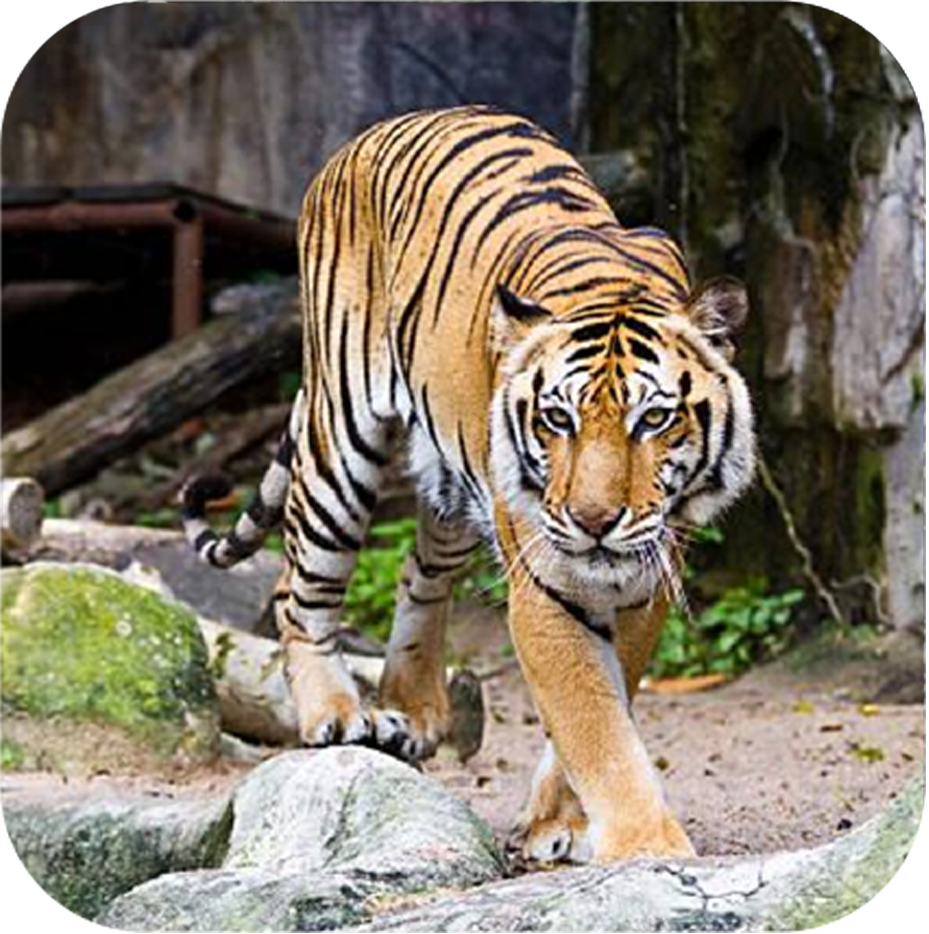
Tigers:
Tigers love water and are excellent swimmers.
Tigers are the largest members of the cat family, recognized for their striking orange coats with black stripes.
They are solitary and territorial animals, inhabiting diverse environments from tropical forests to grasslands in Asia.
Height
• Tigers are excellent swimmers and enjoy water.
• They can leap distances of up to 10 meters (30 feet).
• Each tiger’s stripe pattern is unique, much like human fingerprints.
Weight
220 to 660 pounds(100 to 300 kg)
Region of Habitat
Asia
Scientific Name
Panthera tigris
Feeding Habits
Carnivorous
What Sound They Make
Roar, growl
fun facts:
• Tigers are excellent swimmers and enjoy water. They can leap distances of up to 10 meters (30 feet).
• Each tiger’s stripe pattern is unique, much like human fingerprints.
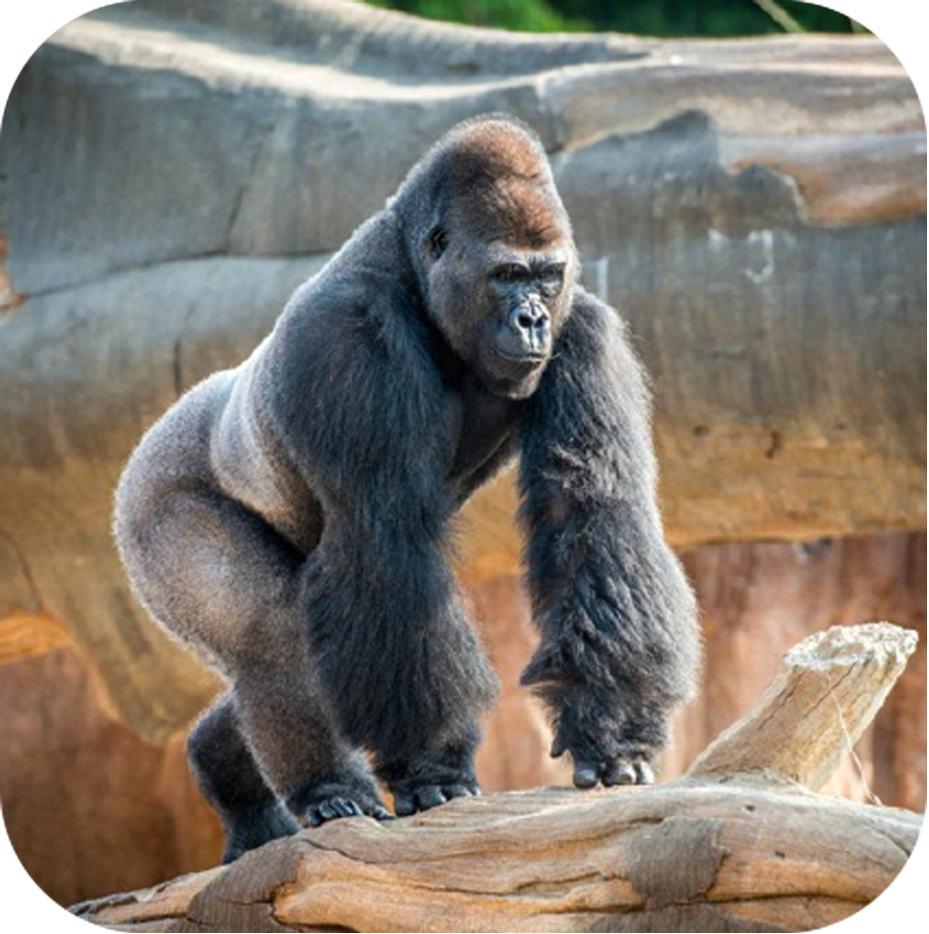
Gorilla:
Gorillas are the largest primates, known for their strength, intelligence, and social behavior.
They live in family groups led by a dominant silverback male and inhabit the forests of central Africa.